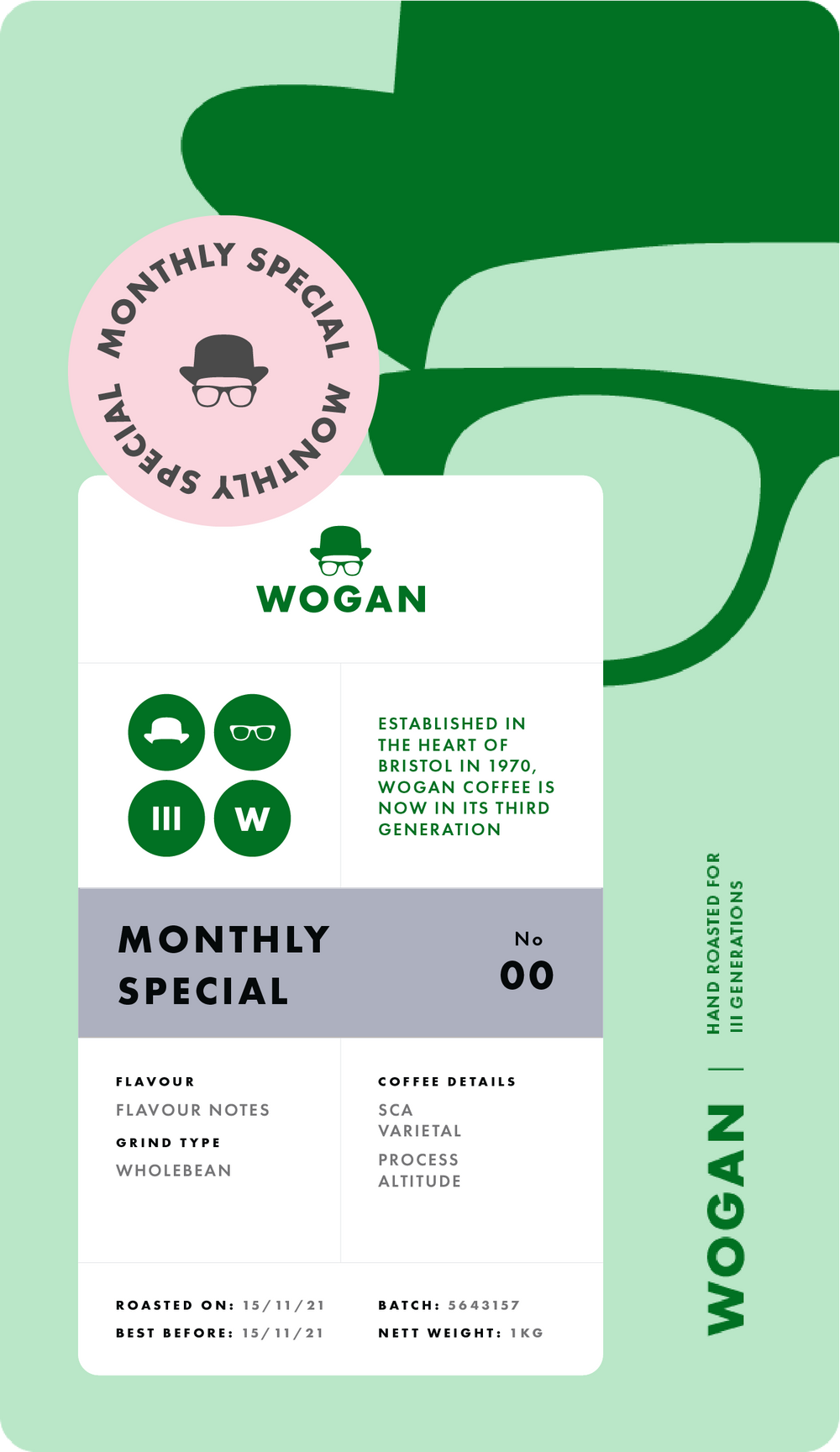

MONTHLY SPECIAL - Bali, Karana Kintamani, Carbonic Maceration, Natural
Every month, our resident Q Grader and third-generation Wogan, James, searches the world to find a coffee that is ‘weird and wonderful’, and truly excites. A micro-lot, a great back-story, an impressive cooperative, or a particularly unusual taste; once it's gone, it's gone.
We keep the prices of these extraordinary coffees down, so that you have the chance to try something that you might not be able to get your hands on otherwise.
Karana Kintamani – Carbonic Maceration Anaerobic Natural
Experience a vibrant and expressive cup from the highlands of Bali. This unique coffee from the Karana community showcases bold processing innovation, deep cultural roots, and the distinctive terroir of the Kintamani region.
A luxurious, fruit-forward profile. Expect a boozy acidity, plush mouthfeel, and a mellow fruit-like sweetness that lingers.
Origin & Producer
Community: Karana, Kintamani – Bali, Indonesia
This coffee is grown by 377 smallholder farmers practicing traditional Balinese Hindu agricultural philosophies. Farms sit at 1,200 MASL and span 477 hectares, planted primarily with S795 and Kartika varieties.
The community focuses on biodiversity and sustainability—using compost, eliminating chemical sprays, and maintaining shade with carefully selected overstory trees.
A newly funded cooperative dry mill supports improved quality and accessible processing for producers, reflecting the community’s long-term vision to grow as a trusted specialty-coffee origin.
Processing Method
Carbonic Maceration – Anaerobic Natural
Whole coffee cherries undergo carbonic maceration, a sealed, oxygen-free fermentation technique that intensifies fruit character, boosts acidity, and enhances mouthfeel.
After fermentation, the cherries are dried naturally—resulting in a cup that is both bold and beautifully complex.
Variety
Kartika & S795
Kartika, a small-cherry variety known for exceptional flavor, is believed to be a natural mutation of Catuai. Though susceptible to leaf rust, farmers value it for its outstanding cup quality. S795 adds structure and balance, contributing to the coffee’s layered profile.
Region
Kintamani, Bali
Surrounded by the Batukaru and Agung volcanoes, Kintamani enjoys an ideal climate—stable temperatures, high humidity, and nutrient-rich volcanic soils. The region’s producers follow the Tri Hita Karana philosophy, which emphasizes harmony between people, nature, and spirit. This belief system helps shape the organic farming practices that define Kintamani coffee.
Why We Love It
This lot is a standout representation of modern Balinese coffee craftsmanship. It combines:
- community-driven innovation
- meticulous experimental processing
- strong cultural and environmental stewardship
The result is a cup that is not only delicious but deeply connected to place and people.
Why Wogan?

Ethical
We work closely with farms worldwide to make sure that coffee farmers are paid a fair price, through Fairtrade and our own Direct Trade certifications. Working hard with coffee farmers to improve their lives and the lives of their families.
Sustainable
We maintain long term relationships with our carefully selected coffee farms, to provide the stability they need to plan for the future. The added bonus? Coffee that improves with every single crop, as their farming practices and equipment improves.
LDPE4 Recyclable
Helping you to do your bit. Our bags are LDPE4 recyclable, meaning they can be recycled in supermarkets. Alternatively, you can check with your Local Authority to see if they will collect it for you. Green lights include mentions of; bread bags, frozen food bags, squeezable bottles, bubble wrap, and carrier bags.
Carbon Pledge
We've pledged to be carbon neutral by 2030, and we're already well on the way. Our warehouses are now powered by solar panels, with the extra juice fuelling our fleet of electric vehicles.
Sustainable and ethical
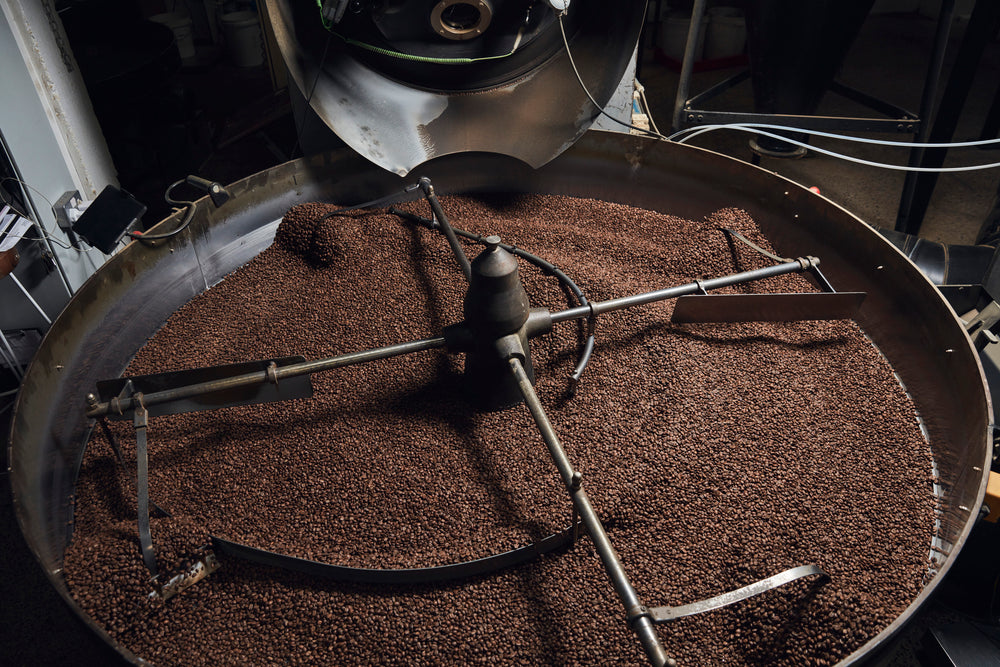
We've made it this generation's mission to put sustainability at the forefront. We’ve pledged to be Carbon Neutral by 2030 and are well on our way to getting there. LDPE4 recyclable bags, a Roastery powered entirely by solar energy, and a hell of a lot more.
our story
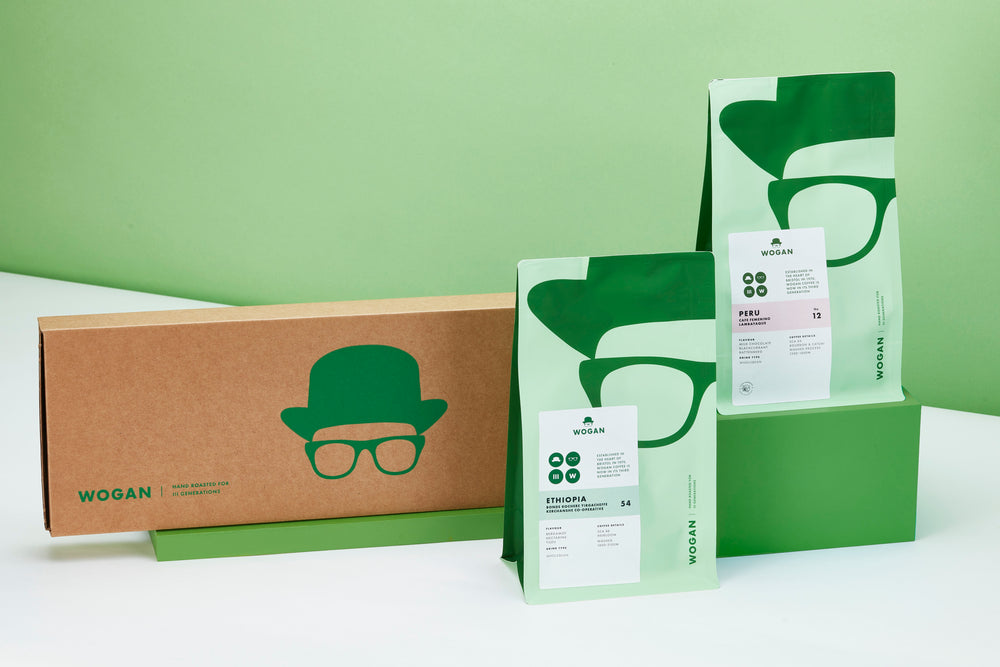
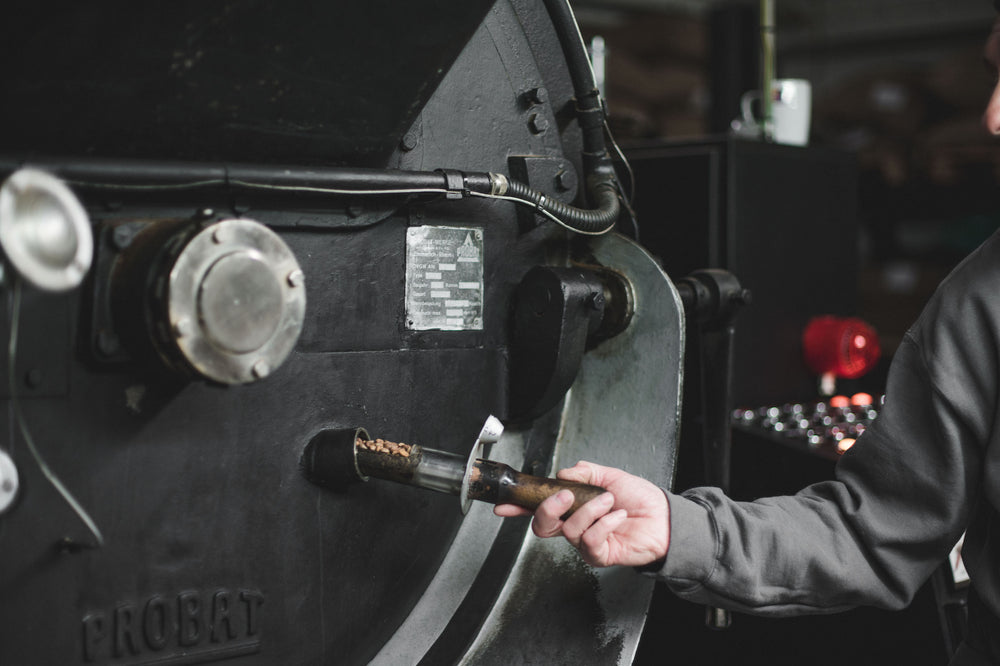
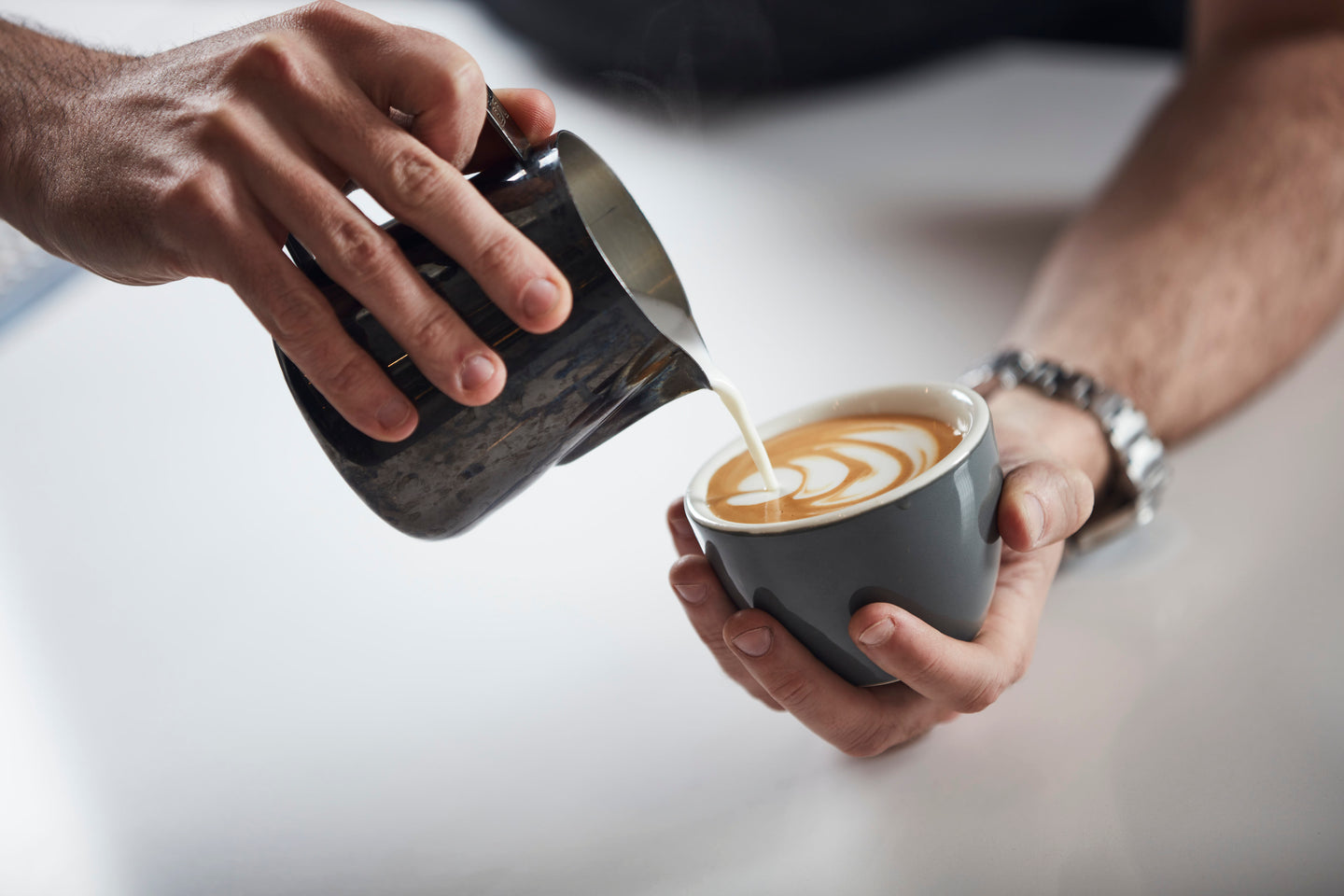
We, at Wogan Coffee, have been lovingly hand-roasting speciality, ethical, sustainable and traceable coffees since 1970. In our third generation, and a wholly independent family company, you can find us rooted in Bristol; the same city as when Mr Wogan established the business over fifty years ago. Laura and James, grandchildren of the bowler hatted gentleman, now have the ropes firmly in their grasp; James as our resident Q Grader in the Bristol Roastery Headquarters, and Laura in London.
Other products Have you tried